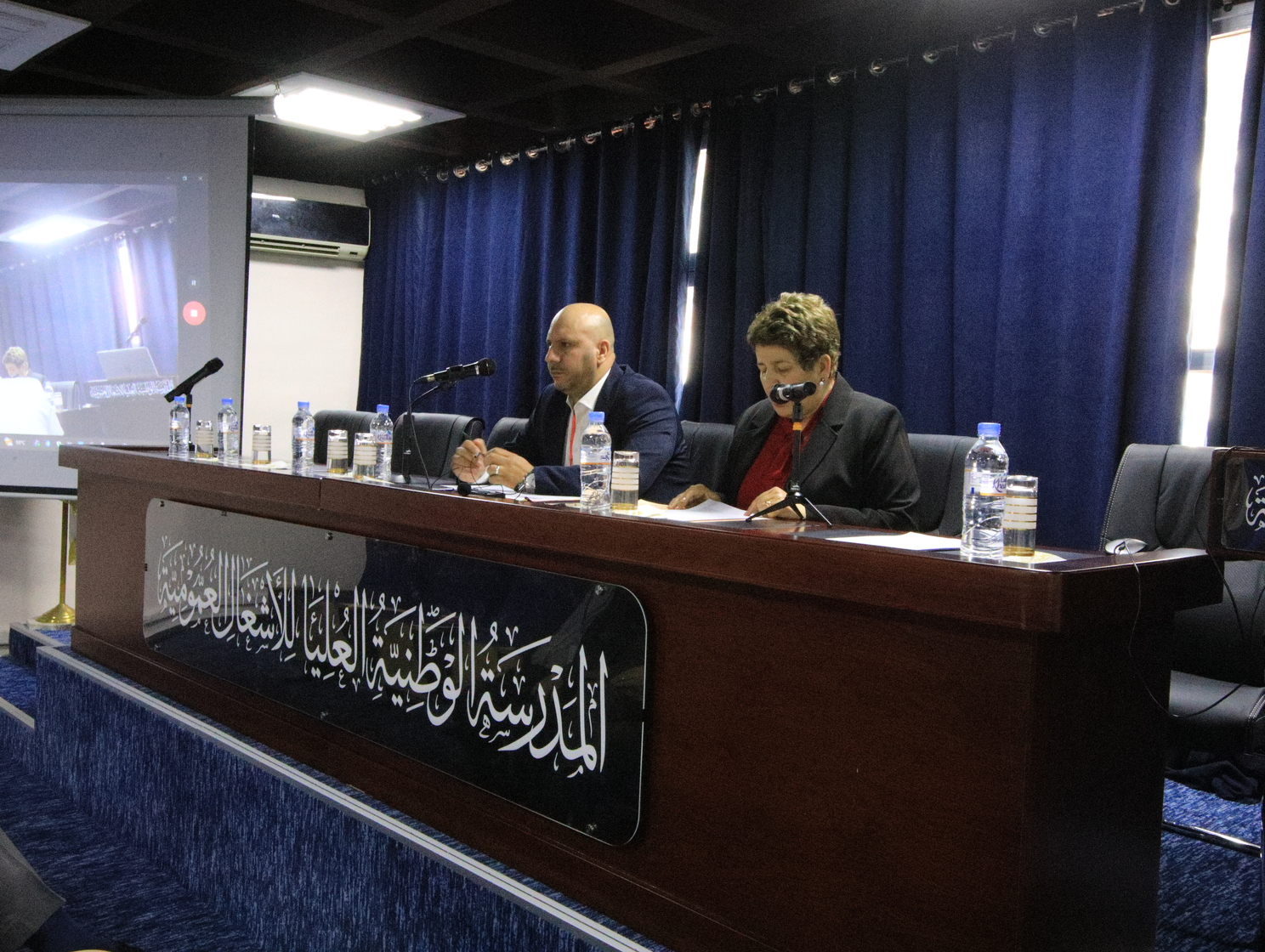
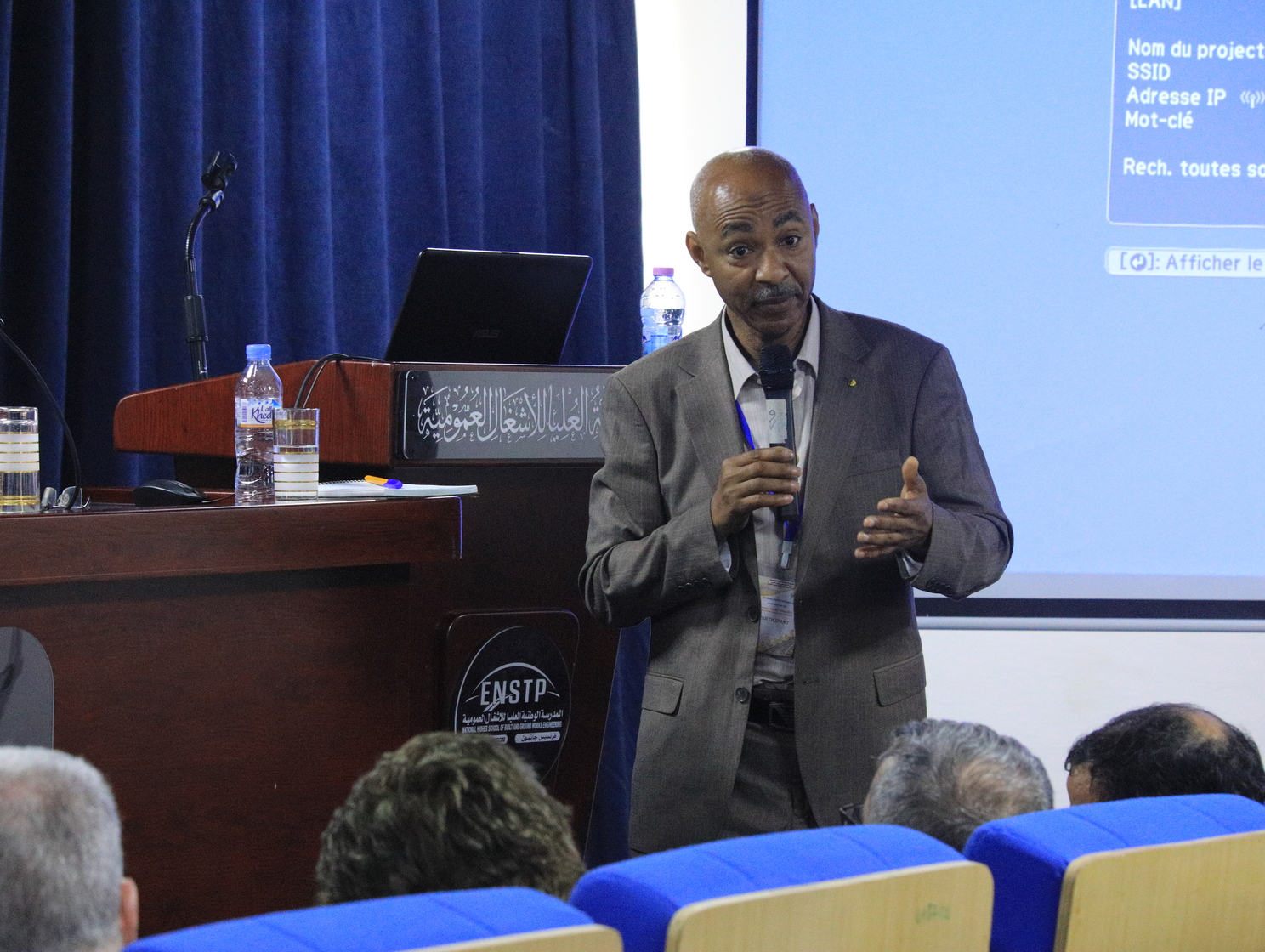
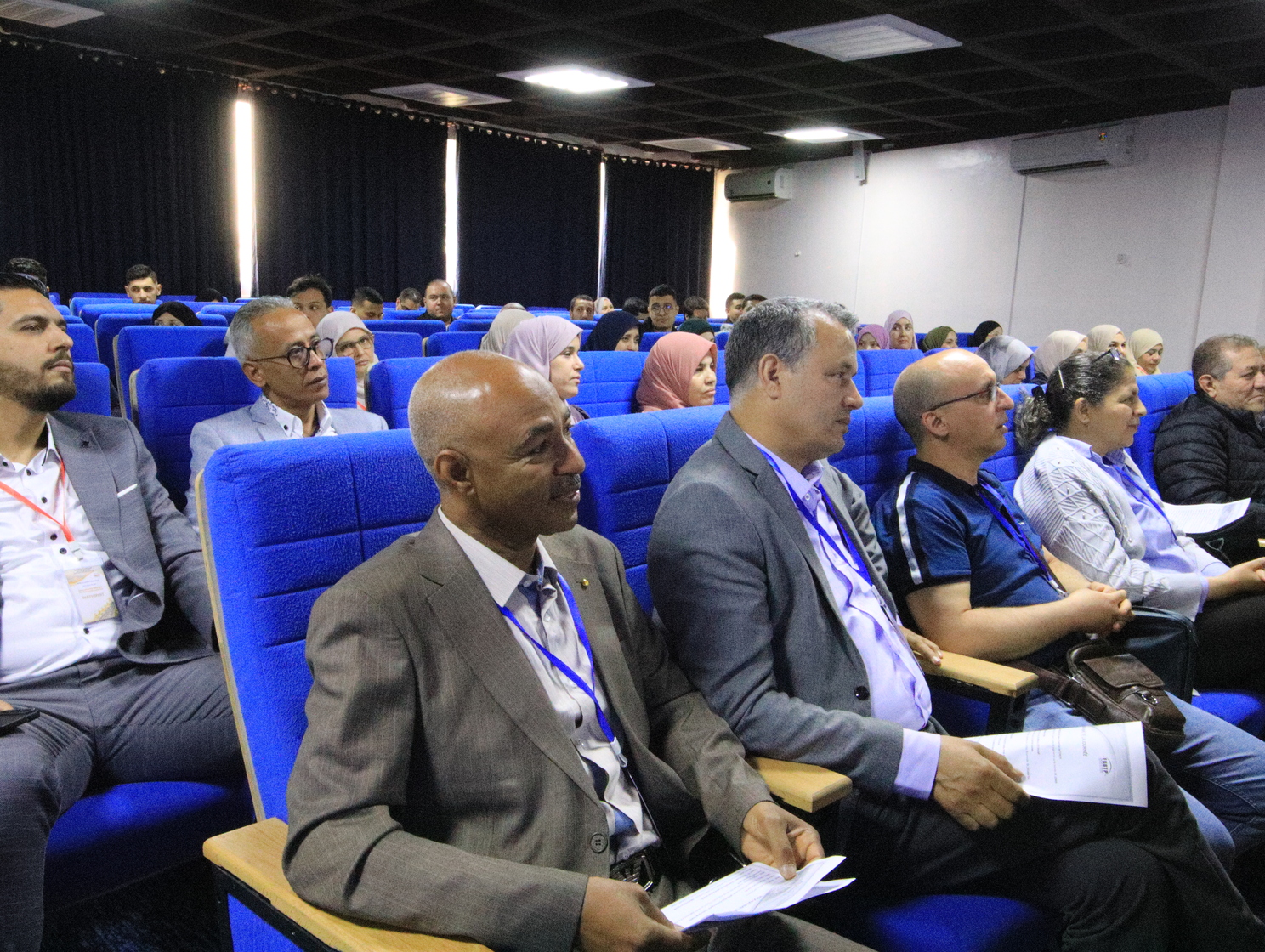
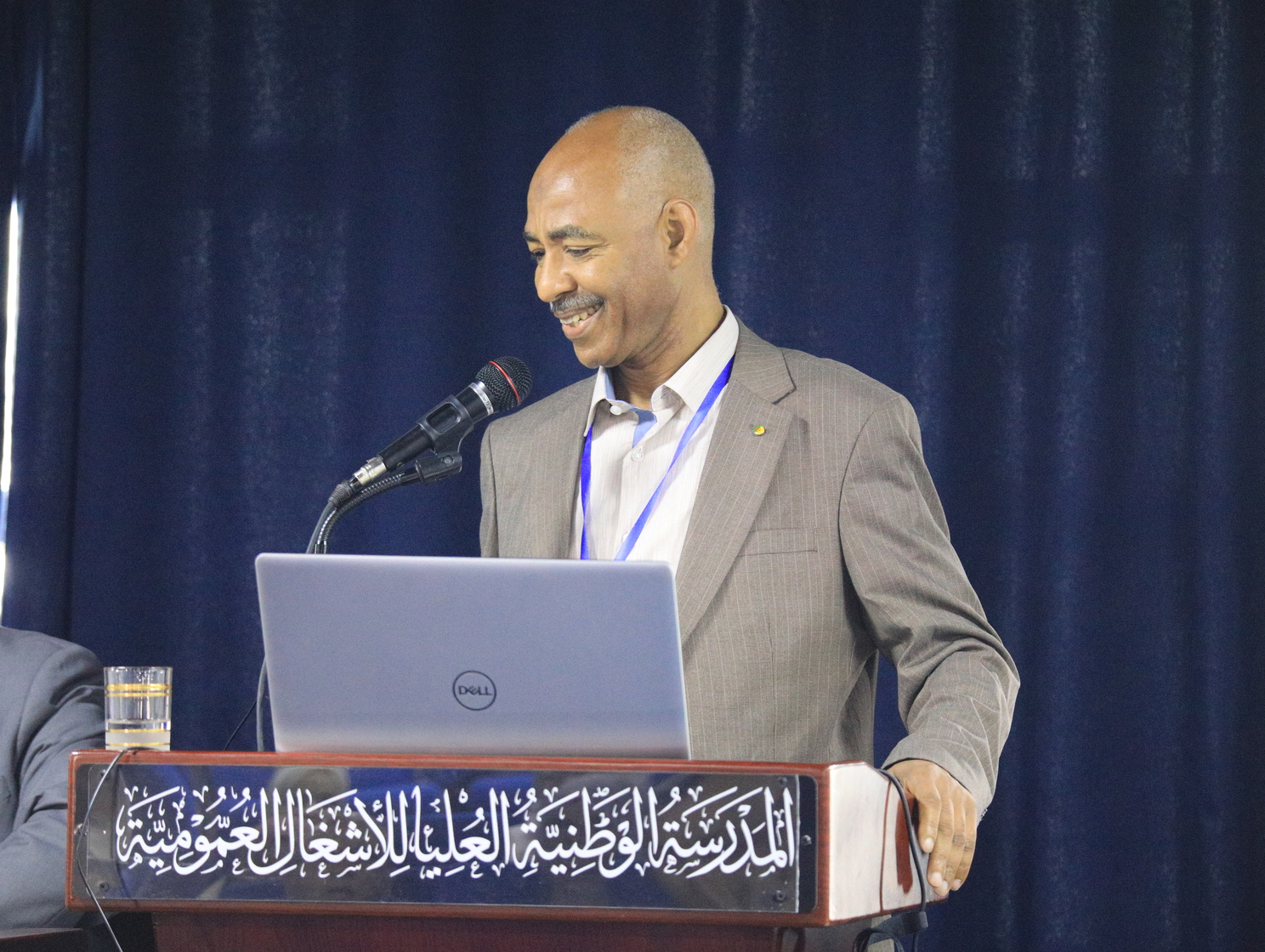
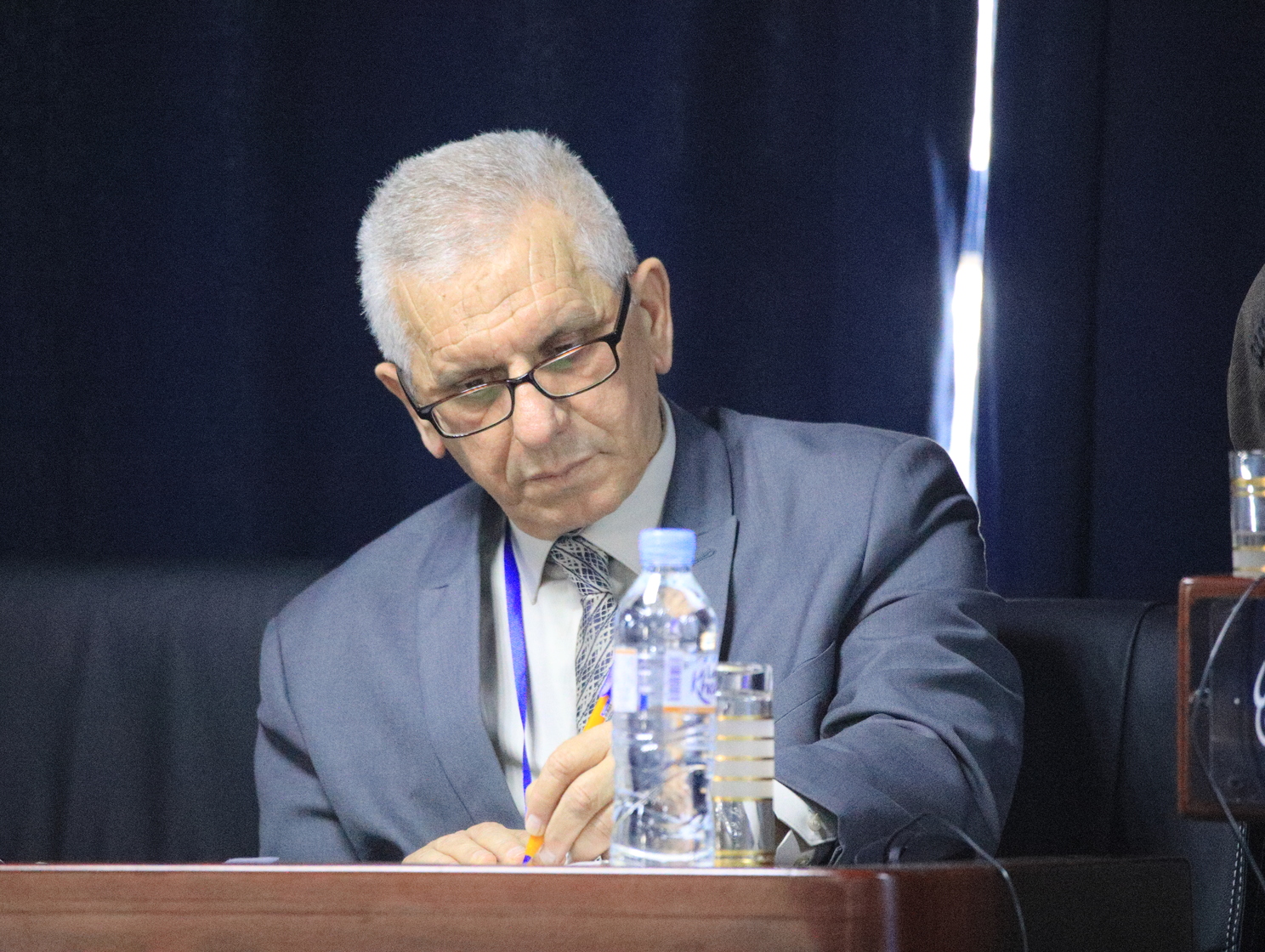
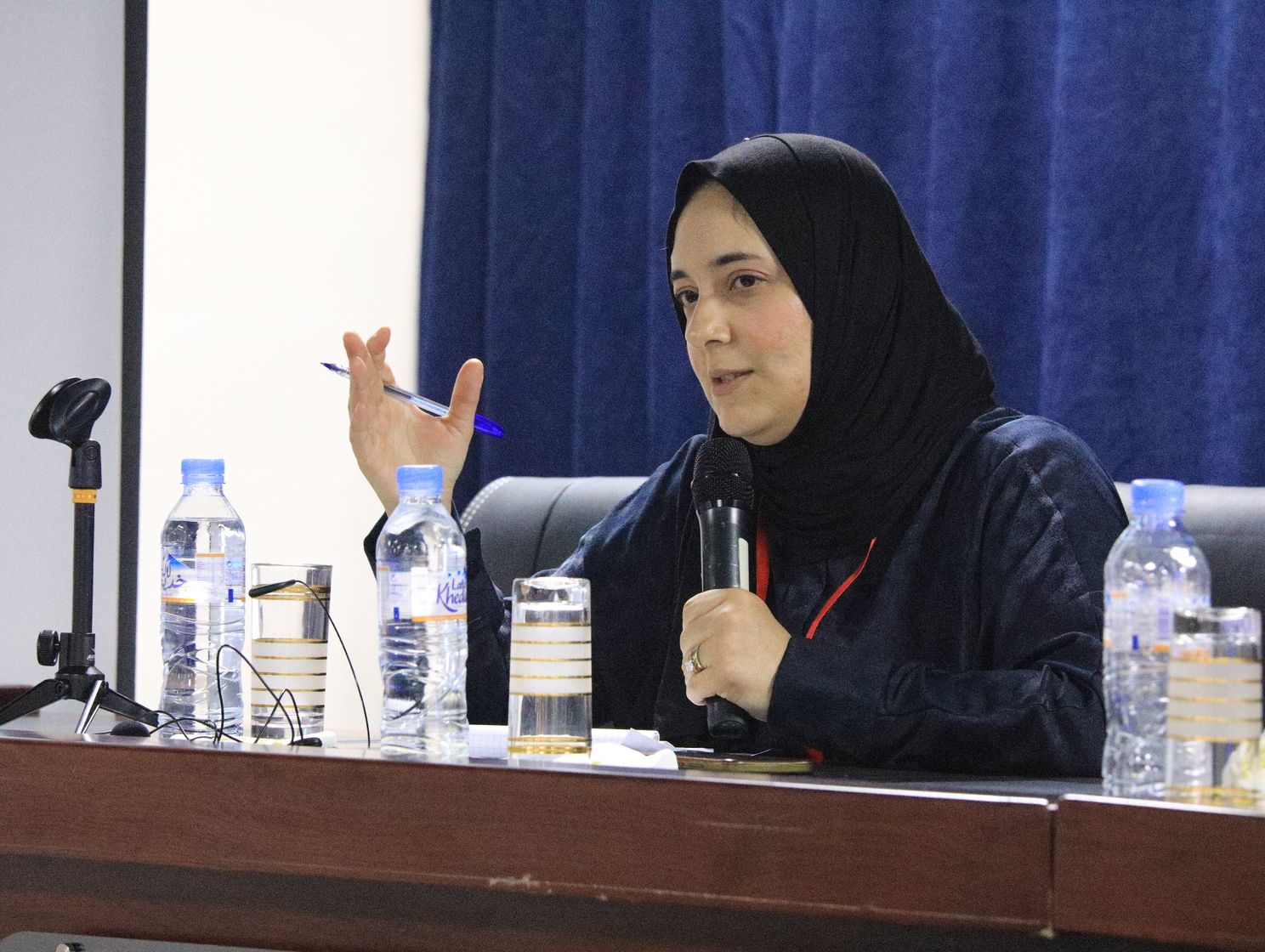
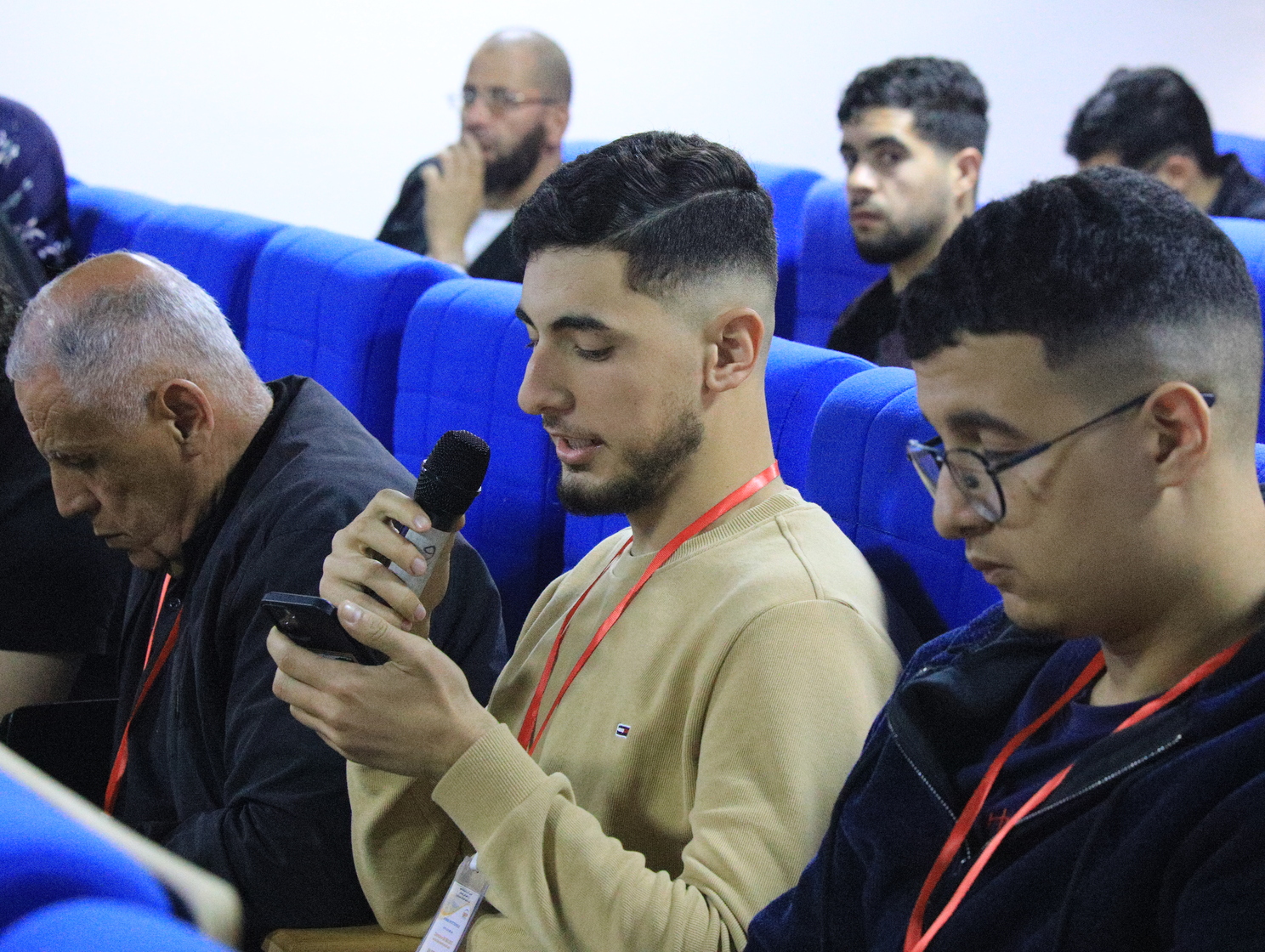
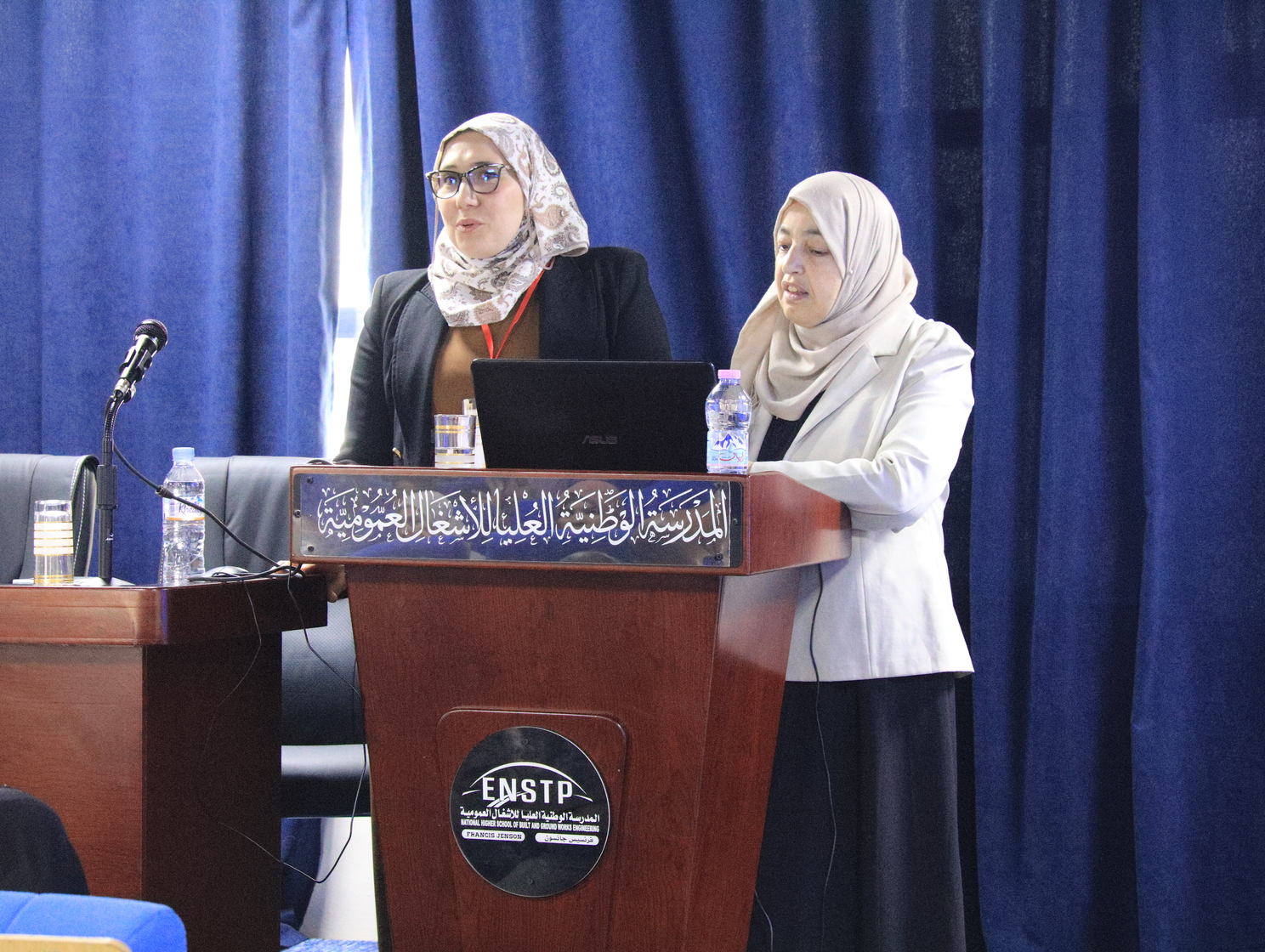
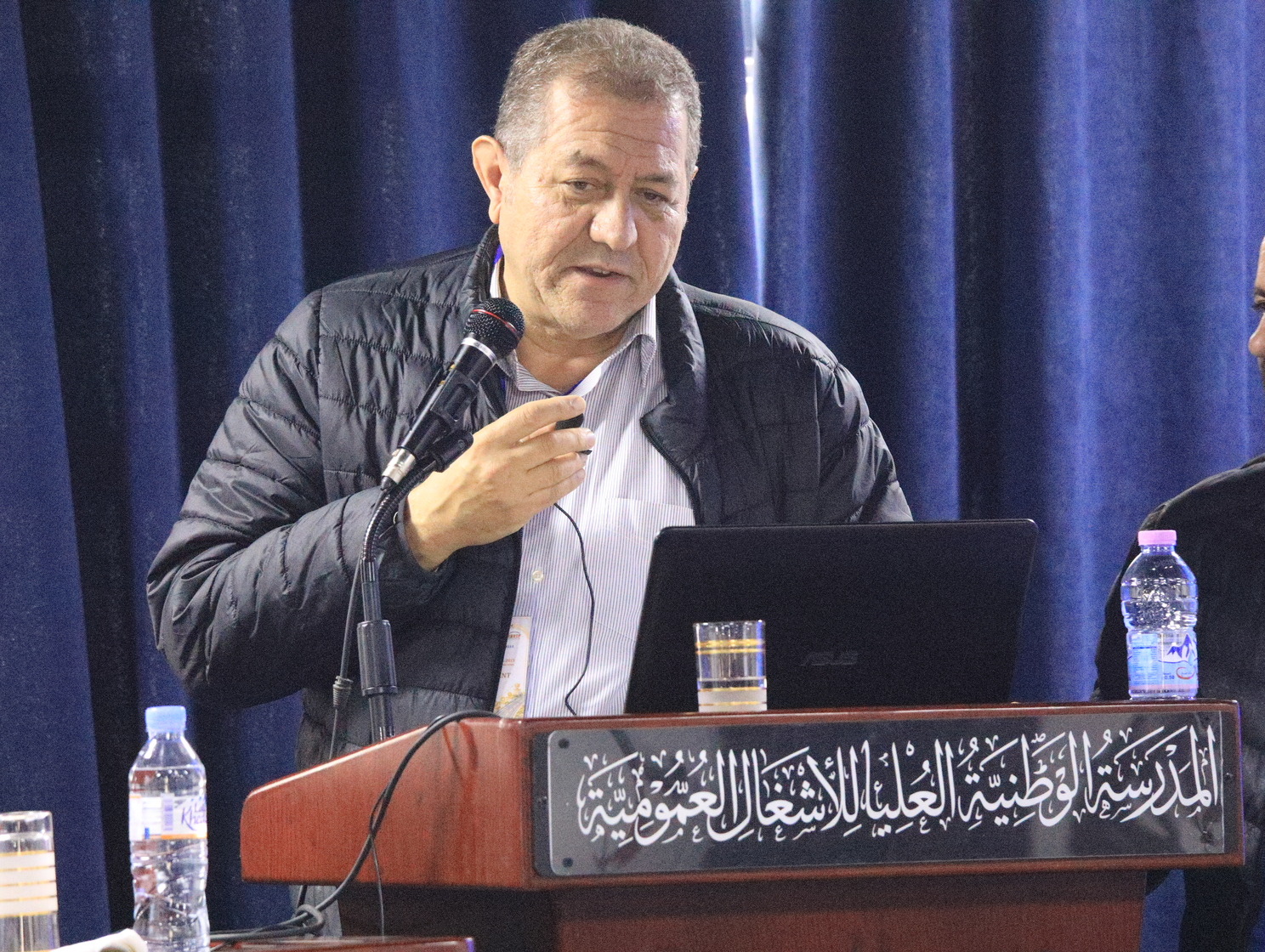
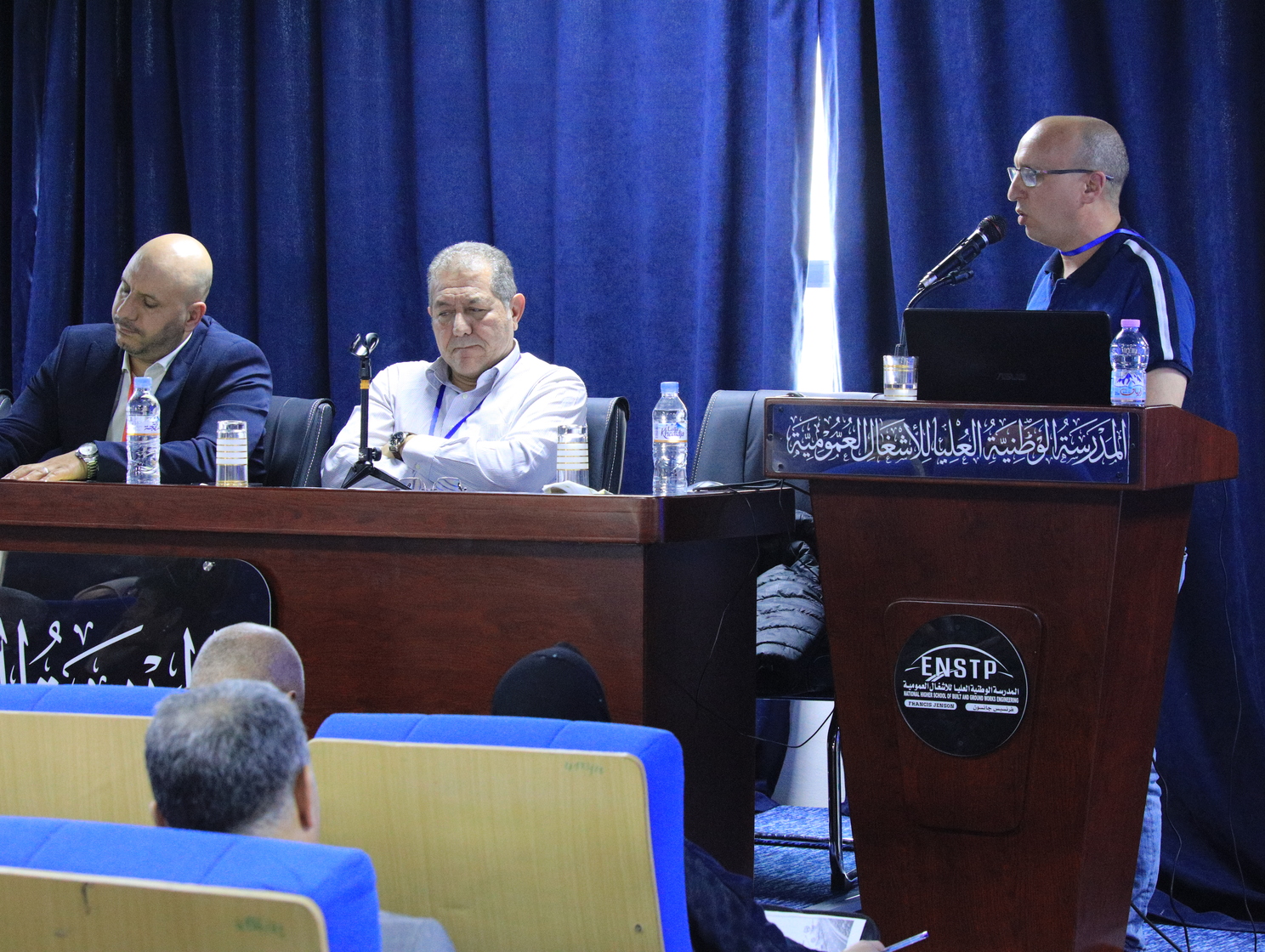
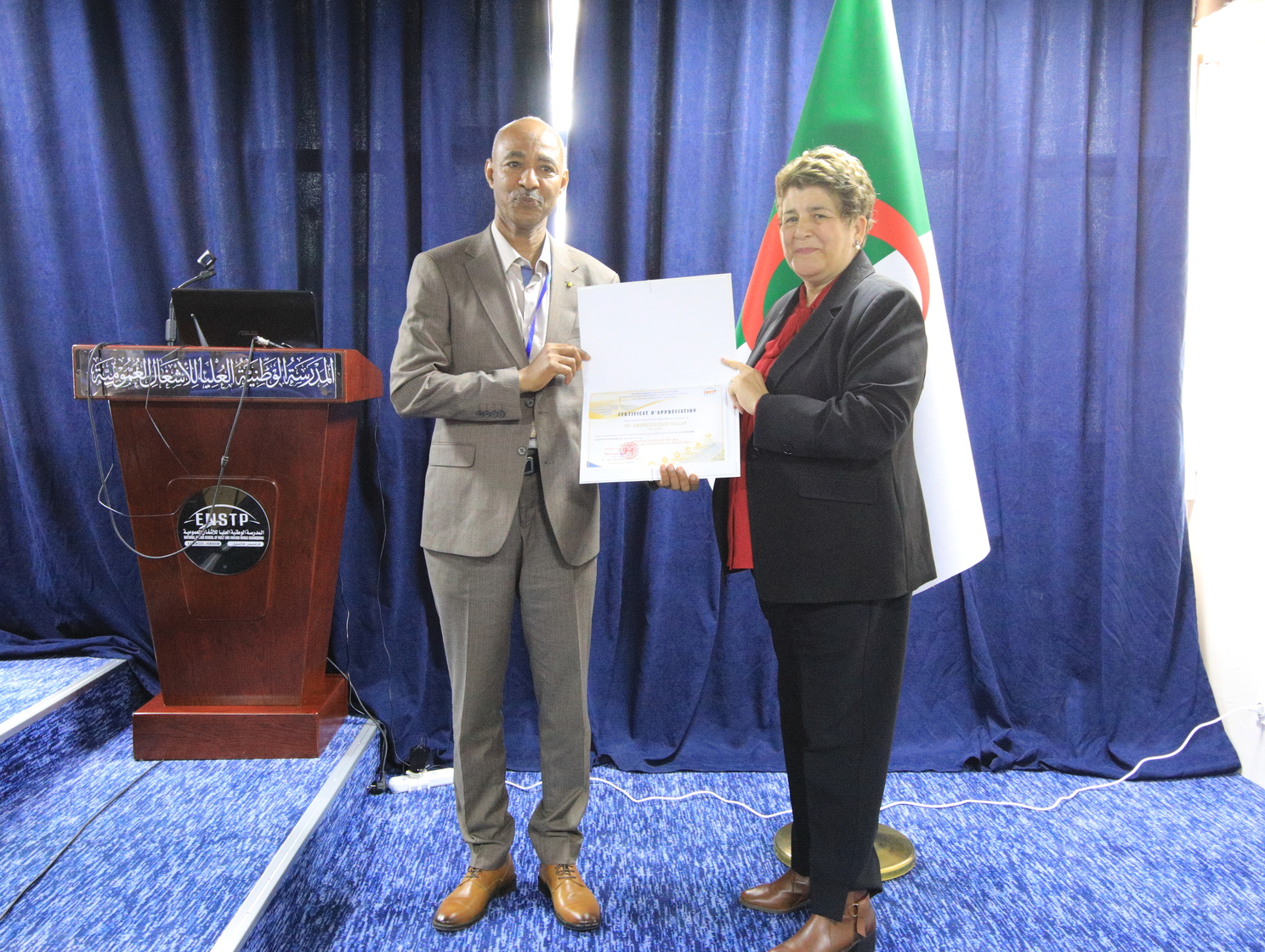
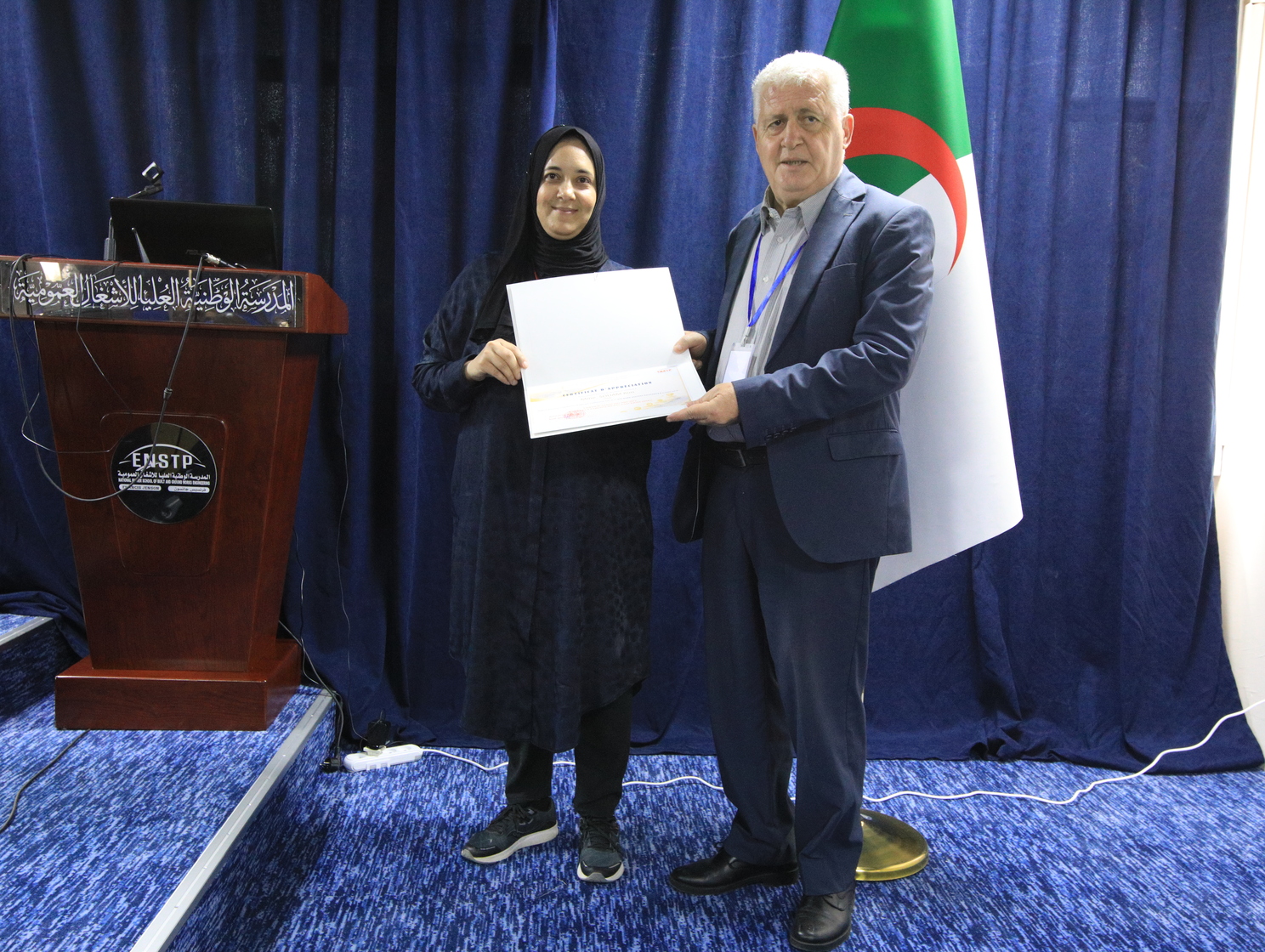
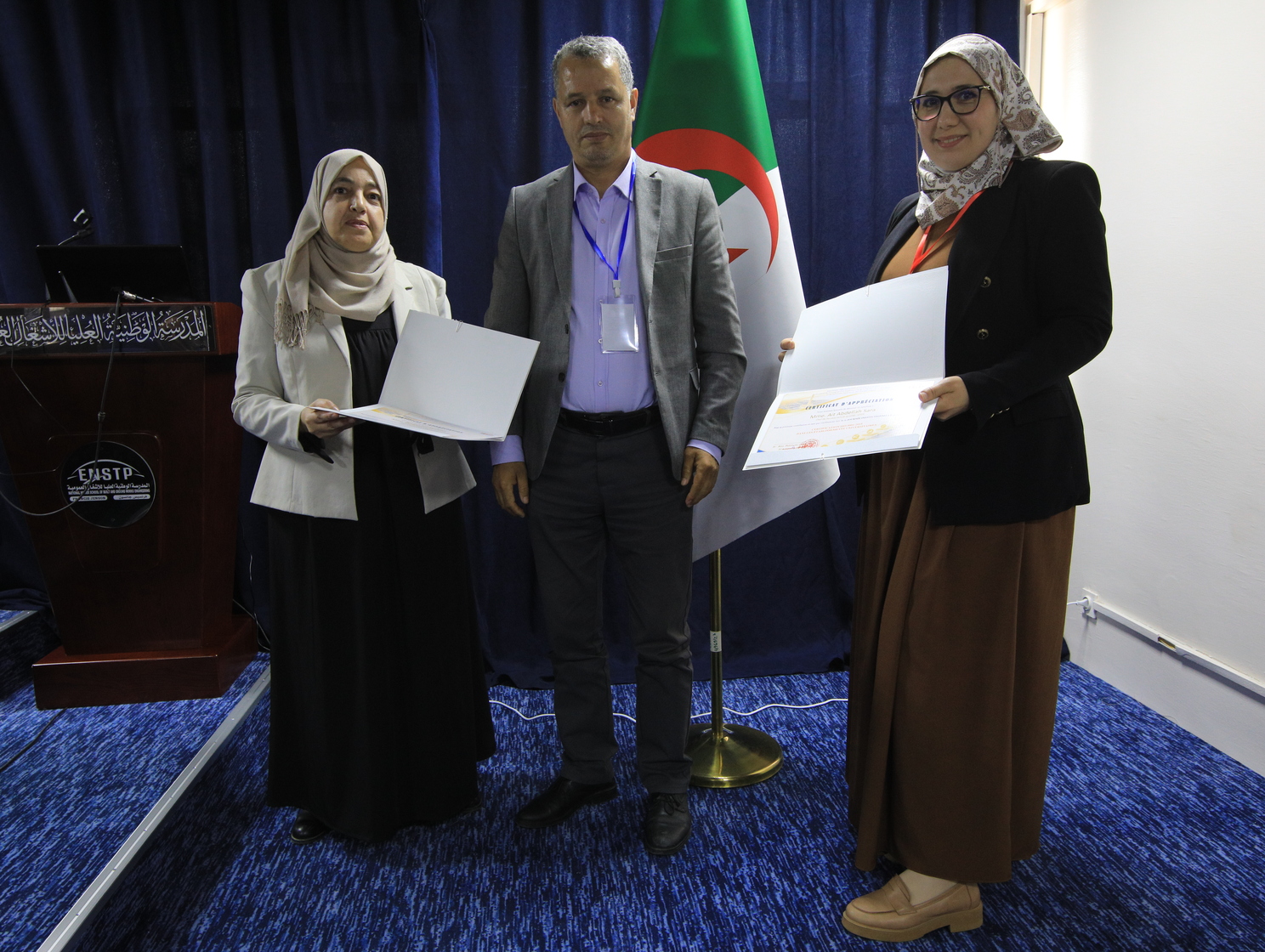
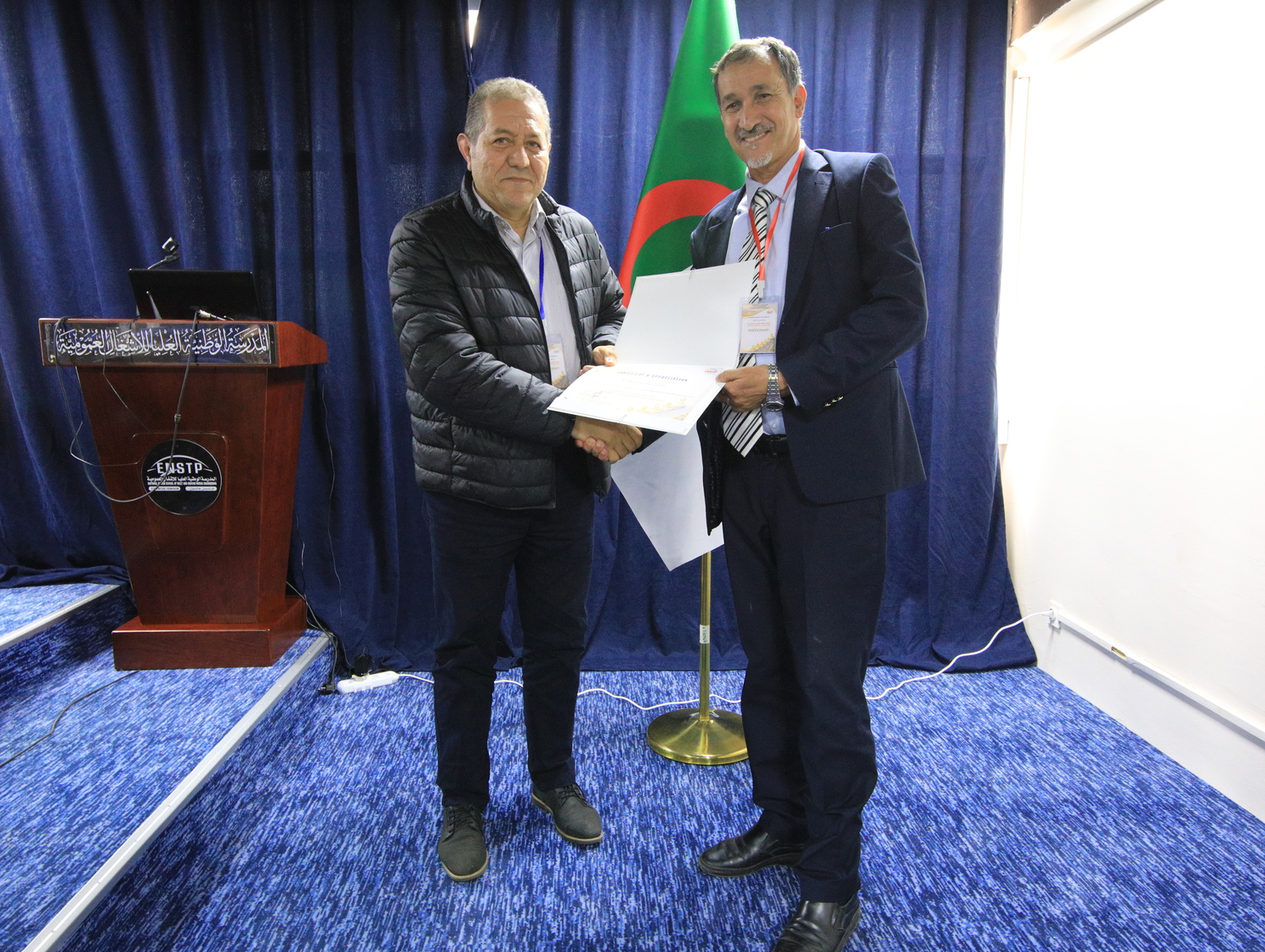
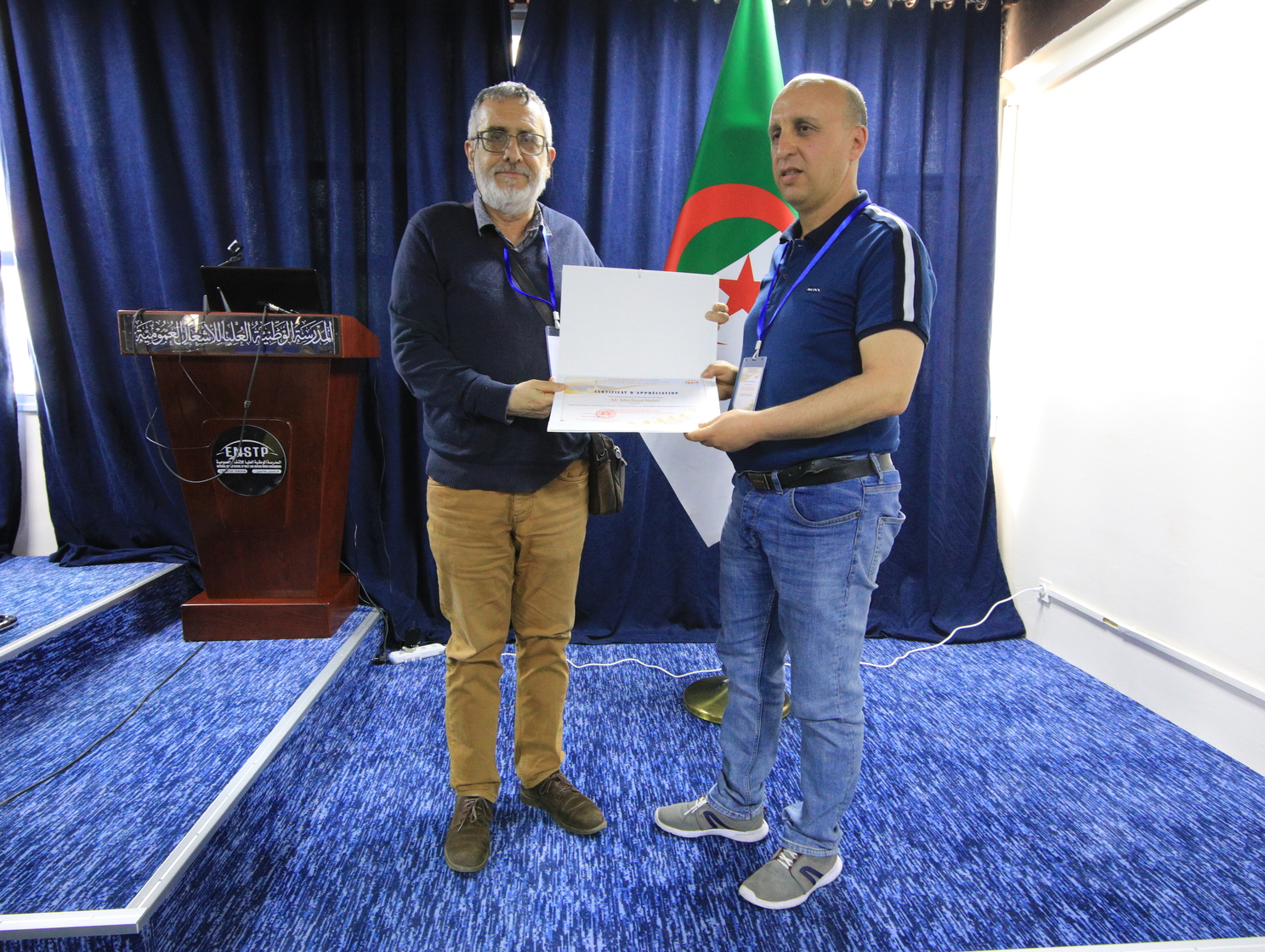
At the opening of the Institutional Day, organized on Tuesday, April 28th, 2026 at the National Higher School of Built and Groundworks Engineering, during which the launch of the quality management system implementation process at the School in accordance with the international standard ISO 9001:2015 was officially announced, the Director underlined that this initiative does not stand apart from the national orientations aimed at developing higher education institutions. Rather, it falls within the framework of the directives of the Ministry of Higher Education and Scientific Research, which seek to promote improved university management practices, enhance governance, and reinforce reliability in the quality of training within our national institutions.
In this context, the Director emphasized that the National Higher School of Built and Groundworks Engineering is today engaging in this undertaking with the utmost seriousness and responsibility, in the conviction that the implementation of a quality management system in accordance with ISO 9001:2015 should not be regarded merely as an administrative procedure or a formal objective, but rather represents a genuine opportunity to improve internal organization, clarify responsibilities, standardize practices, and enhance the level of performance across the School’s various structures and services, in a manner that serves students, faculty members, staff, partners, and the supervisory authority alike.
The contributions of the experts during this Institutional Day, dedicated to launching the project for the deployment of a quality management system in accordance with ISO 9001:2015 at the School, highlighted a central idea: quality should not be reduced to a mere administrative requirement or to the attainment of certification, but should instead be understood as a comprehensive approach to organization, management, and continuous improvement, in support of governance, institutional performance, and the satisfaction of stakeholders.
In the context of Algerian higher education, ISO 9001 forms part of the continuity of national initiatives previously launched, foremost among them the National Reference Framework for Quality Assurance in Higher Education (RNAQES). Accordingly, the issue is not one of establishing an entirely new system, but rather of capitalizing on existing achievements, improving the structuring of processes, and strengthening an institutional culture based on monitoring, documentation, and evidence.
The presentations delivered during the event recalled that ISO 9001:2015 is founded upon the process approach and calls upon each institution to define its context with precision, identify its interested parties, and determine its objectives, resources, risks, and performance indicators. Within this logic, quality thereby becomes a strategic management instrument that helps clarify responsibilities, harmonize practices, strengthen coordination among the various structures, and progressively improve the services delivered to students, faculty members, staff, partners, and the supervisory authority.
The speakers also emphasized the specific features involved in applying this approach within higher education institutions, which do not produce material goods, but rather deliver services related to training, research, innovation, and learner support. The specificity of this field lies in the diversity of stakeholders involved and the interconnection of academic, administrative, and scientific activities, which makes the implementation of a quality management system more complex and demanding, and requires a gradual, coordinated, and continuously supported process.
The experiences presented made it possible to identify a number of recurring challenges, including a limited quality culture during the initial stages, resistance to change, the administrative burden associated with documentation requirements, insufficient internal expertise, resource constraints, and the need for regular monitoring. However, these difficulties can be overcome when the administration clearly adopts the project, when process owners are designated with precision, when teams are involved throughout the different stages of the process, and when actions are planned in a progressive and methodical manner.
Finally, the proposed deployment plan for the National Higher School of Built and Groundworks Engineering translates all these lessons into the form of an operational roadmap. This process is based on a structured governance framework centered around the Director, as the strategic sponsor of the project, alongside the strategic advisor, the steering committee, the institutional project manager, and the project team. The scheduled phases include the establishment of the steering committee, training, the initial diagnosis, gap analysis, document structuring, followed by the commencement of the implementation, monitoring, and improvement phases.
This Institutional Day was supported by a distinguished panel of university experts from the Universities of Ouargla and Boumerdès, in addition to several experts representing the economic sector in the field of public works, drawn from specialized institutions and bodies such as CTTP, LCTP, and SETS.